




Allways Atascosa Dodge Chrysler Jeep Ram

Blog / News

Blog

All News RAM 2500 RAM 3500 RAM 1500 Jeep Wrangler Allways Atascosa CDJR Chrysler Pacifica Jeep Compass RAM Dealer Jeep Grand Cherokee Pleasanton RAM Dealer Jeep Dealer Jeep Grand Wagoneer Allways Atascosa Dodge Chrysler Jeep Ram Service Jeep Cherokee Jeep Gladiator Pleasanton Service Battery Chrysler Dealer Chrysler Dodge Jeep RAM Service Dodge Durango Finance Jeep Jeep Grand Cherokee 4xe Jeep Wagoneer Oil Change Pleasanton Dodge Dealer Pleasanton Jeep Dealer RAM 4500 Chassis Cab RAM 5500 Chassis Cab SUV Dealer Pleasanton TX Wagoneer
Allways Chrysler Dodge Jeep Ram

Leasing vs. Buying a Car: What Is Right for Me?

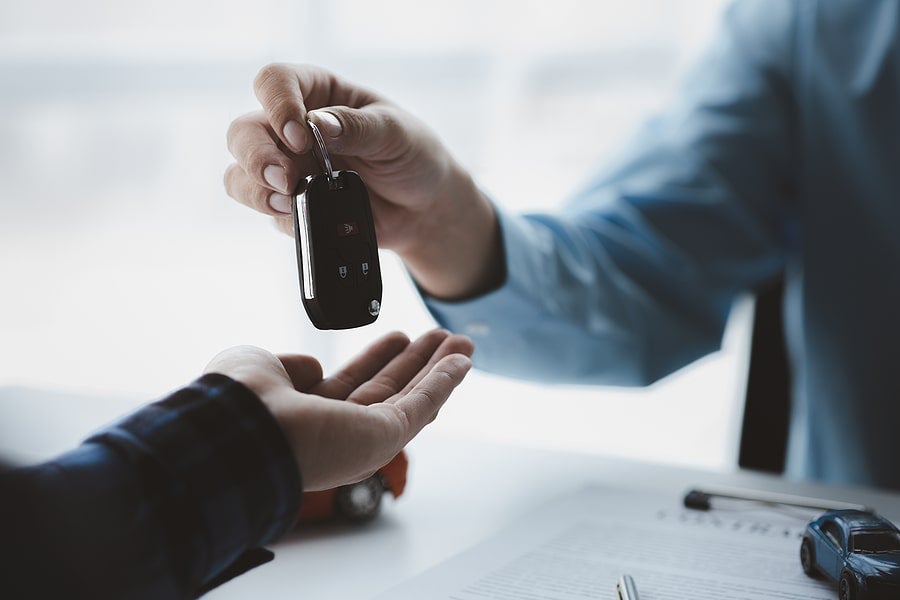
Leasing vs buying a car — it’s a tough choice that many people will go through at least once or another. The idea of driving the latest model at a much lower monthly price can be tempting for almost anyone, and then in the back of your mind, you start to think, “wait, but I won’t own it. What would that mean?” So, we decided the time had come to talk about how to lease a car, what it entails, and weigh the pros and cons of both options. How Does a Car Lease Work? A car lease works like any other, allowing you to “use” the vehicle for a set time and a set price — with the addition of a set number of miles. You’re paying to use the car for whatever period the lease stipulates. Those payments are often much cheaper than buying the car outright, as you only pay a percentage of the total price. It’s usually based on the projected depreciation value of the car over the lease term. How Long Are the Lease Terms? The length of the lease terms will vary, but they usually range anywhere from two to five years. Understand that shorter leases on new vehicles come with one major advantage. It will be under warranty for the entirety of the lease. That means the out-of-pocket expense will be minimal should you ever need to bring the car in for repairs. What Happens at the End of a Lease? What happens at the end of a lease is entirely up to you, but you’ll be faced with one of three options. You can return the vehicle and walk away — paying for any extra mileage, wear-and-tear above normal usage, and a disposition fee, which would’ve been agreed upon at lease signing. Or, you can turn in the vehicle and start a new lease, which often comes with incentives. And last but not least, you can buy your vehicle. Typically, you’ll enter into the lease knowing how much the car will cost if you choose to keep the car at the end of the lease term. What If I Get into an Accident? If you were to get into an accident, you’d treat it like you would with a car you owned. Contact your insurance company, get the repairs done, and continue driving the car until the lease ends. The only issue would be if you totaled the car. Then, the lease would end before the term, and you’d be on the line for any termination fees. What Are the Pros and Cons of Leasing a Car vs Buying a Car? There are advantages and disadvantages to leasing a car, and there are just as many advantages and disadvantages to buying a car. It depends on the individual, honestly. The advantages of leasing: Lower monthly payments Under warranty, if leasing new Drive the latest model of vehicles Drive a higher-priced, better-equipped vehicle Latest safety features Enjoy the newest technology available Depreciation protection Return vehicle at lease-end The disadvantages of leasing: Paying for the car when it is rapidly depreciating Monthly payments continue if you continue leasing Mileage restrictions Potential wear-and-tear charges Termination fees if you end the lease early Warranties don’t usually cover the tires Paying a disposition fee at lease-end You don’t own the car As we said, buying a car often has just as many advantages (and disadvantages). So, let’s start with all the plusses of buying a new car: Build equity with monthly payments No mileage restrictions No worry about wear-and-tear costs Keep the vehicle as long as you want Sell or trade whenever you want A customization is always an option No monthly payments at the end of the loan The disadvantages of buying: Higher monthly payments Potential for hidden fees Depreciation More upfront costs Costs go to you after the end of the warranty Leasing vs buying a car — the decision is ultimately up to you. Just take the time to consider the pros and cons of both before entering into any kind of agreement. The decision must make sense of your circumstances. Don’t just focus on the monthly payments, which is one of the biggest mistakes people can make when buying or leasing. If you’d like to discuss your options, contact us today. A team member would happily sit down with you to discuss a lease or a purchase.
Allways Chrysler Dodge Jeep Ram

Custom Order Your Next Car with Allways Atascosa

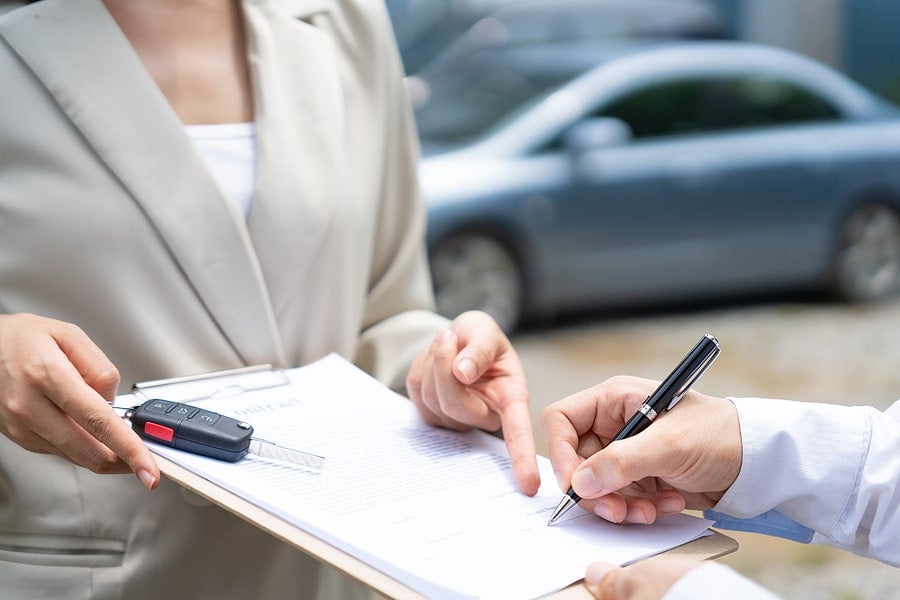
When in the market for a new car, most people just hit the car lot or scroll through the available inventory at their local dealership. If something catches the eye, it’s just a matter of negotiating a price before driving away with the purchase. The thing about car shopping is that it doesn’t have to follow the tried-and-true process. You don’t have to settle for what’s available if what’s available isn’t what you’re looking for. There is such a thing as factory-direct. People from other countries are quite familiar with the process of a custom order car. It isn’t out of the realm of possibilities here, either. So, let’s talk about how to order a car from the factory. How Does Ordering a Car Work? How to order a car can vary slightly from automaker to automaker but usually involves an auto dealership, as someone will inevitably need to handle the paperwork and oversee delivery. Allways Atascosa offers a custom order service for customers. We would be delighted to assist you. Here’s a quick breakdown of the process: Work out the financing. Before starting the process, you may want to work with your bank or credit union on an auto loan. You can also research the dealership’s financing options if you choose this route. Either will work for a custom order car. Visit the manufacturer’s website. While some dealerships will do all the work for you, using the “build and price” feature on a manufacturer’s website is always a good idea before working with a sales rep. Going through the process at home can help relieve some of the pressure you might feel at the dealership to decide immediately. It’ll also give you some time to play around with the various features offered by the manufacturer and get a better idea of the ticket price. Besides, some dealerships want a copy of your design before an appointment. Feel free to call the dealership to see what they’d prefer. Schedule an appointment. Once you’ve settled on the details, it’s time to contact the dealership to let them know your interest in a custom order car. They may ask you to come right in. Bring a copy of the design, even if they don’t need it. It can be a good reminder of what you ultimately want and can speed up the process. Talk price. Here’s a little trade secret, you can negotiate “out-the-door” prices on a custom order car. It’s just like any other vehicle purchase, so treat it as such. Discuss what sort of deal they can offer you. Sign the paperwork. You can sign the buyer's order if you’re cool with the price. The sales manager will need to do the same — and the reason comes down to price. You want to lock in that agreed-upon price for the car before leaving the lot. Don’t walk away without a signed copy for yourself. A second copy should stay with the sales manager. Bide your time. Being a custom order car, it will take some time to arrive. But the dealership should inform you where the car is in the process. Feel free to email or call for updates, though. Negotiate the trade-in. If you intend to trade in your car, it isn’t until your new car arrives that you’ll negotiate the price for your old vehicle. Research to arrive at a fair market value for your car. You may not get that, but it can be a good negotiation starting point. How to order a car from the factory isn’t that complex of a process. Nor does it take all that long — other than waiting for the delivery. Contact us today to learn more about the process or have additional questions. A member of the Allways Atascosa team would be more than happy to talk you through the custom order process.

Allways Chrysler Dodge Jeep Ram

Why You Shouldn't Ignore Warning Lights on Your Car

Chances are, you’ve seen it before. You were driving around and everything seemed fine until one of those pesky lights popped on in your car. Different people have different reactions to this. Some take their vehicle to the mechanic, while others simply ignore it. Is there a right way? Is there a wrong way? We’re here to tell you there is a right way to go about things. Those pesky little lights are there for a reason. If one of them —any of them —pops up, you probably ought to take your car to a mechanic. After all, they exist for a reason. They let you know when something is going wrong or could go wrong. And playing with your safety when you are driving is not something that you should do. In this guide, we'll explain the warning lights on car meaning, and anything else you might need to know if one of your warning lights pops on. Various warning lights can turn on in your car, but what do they all mean? Read on to see a list of what each light means and what to do about it. Check Engine Light: What It Means and What to Do This may be the light we are most familiar with in our cars. The good news is that it could mean something minor, like a loose oil cap. The bad news is that it could mean something that will cost you a lot of money. Often overlooked or ignored, you should make an appointment with the mechanic if you see this light. In most cases, even in cases where something is seriously wrong with your car, you are not in immediate danger. However, if you leave your engine unchecked, you could damage parts of your engine that will cost a lot of money to repair. Check engine light blinking? Take it into the shop right away. Check engine light: Is it solid? It’s probably just a loose gas cap or something else minor. Either way, you should have it checked out. Antilock Brakes Light If your ABS (anti-lock brake system) light goes off, there is a better chance than a check engine light that something is wrong with your car. It could mean that your brake fluid is low. It could mean something is wrong with the mechanical systems that help your car stop. Whatever the case, get to the mechanic ASAP. Engine Temperature Light: Why It Matters We all know the little gauge that reads hot or cold, but when your engine is in danger of severely overheating, this light will turn on. There are no two ways about this; if you overheat your engine, you are likely doing costly or irreparable damage, which could total your car. Oil Pressure Light: What You Should Know This light could mean a few things. You might be low on oil, have broken reading mechanisms, or have engine problems. Whatever the case, this is one of those warning lights that you want to heed immediately. If you see this light, don’t wait to call a mechanic. Pull over and call a mechanic on the spot. Indicator light car problems can happen quickly. Tire Pressure Light: Causes and Fixes This could mean one of two things, but they generally go hand in hand. It could either mean that one of your tires is way too low or too high concerning tire pressure or that the balance is off among all your tires. The third option is a faulty gauge. This one is easy enough; pull into a gas station, check the pressure on your tires, and adjust accordingly. And, of course, make an appointment with your mechanic. All Warning Lights on What to Do Next You would think that when all warning lights came on in car while driving that it would be the most serious of issues. However, it is not. This commonly means there is a problem with your alternator or charging system. Chances are this won’t cause you issues immediately, but you want to get it checked out ASAP. If you have more questions about warning lights, please contact Allways Atascosa Chrysler Dodge Jeep Ram today!

Allways Chrysler Dodge Jeep Ram

Is the Car Chip Shortage Better?

It’s no secret that the pandemic affected the auto industry in ways that no one could have imagined. One of the ways we’ve seen this is in the shortage of semiconductor chips. This is a problem because these semiconductor chips regulate many things your car does, from safety features to power management. That means manufacturers cannot produce as many cars as they’d like, especially in high demand. The problem is that these semiconductor chips weren’t just used in vehicles and other technology. So, there was a shortage of semiconductor chips, and the auto industry couldn’t get its hands on them before other tech industries. This led to a shortage of new cars. It is a problem that has persisted ever since the pandemic. When will new car shortage end? Here, we will discuss today's semiconductor chip shortage and whether the situation is improving. Where the Car Chip Shortage Stands Now The question is whether the chip car shortage is getting any better. The answer is, fortunately, yes. However, we have yet to see if chip production will lead to auto manufacturers getting these new chips. All signs point to yes, though, so we should see an increase in product and a price decrease. Unfortunately, the timing isn’t exactly great. Buyers are less likely to spend big chunks of cash on a new car with a recession looming. Is this good for the used car business? Absolutely. But it isn’t beneficial for auto manufacturers, who have seen a significant hit to business between 2020 and 2022. A new supply of new cars could be great news for consumers scared away by the threat of a recession. Chances are that dealers will want to price their vehicles to sell. The New Car Problem You also must consider just how many of these semiconductor chips are used in cars, and then you might better understand why there was a new car chip shortage. It wasn’t until the late 1960s that cars even had chips. In those times, cars were 100% mechanical. This means that even once chips were introduced, they took a while to become commonplace in the automotive industry. Now, a new car can have up to 3,000 chips in it. When you consider how many chips it requires for a smartphone or a gaming system, it makes sense that they were better able to keep up (they still had their supply chain issues) than the automotive industry. Avoiding the Blow The two manufacturers hardest hit by the chip shortage were Ford and Chevrolet, with Volkswagen and Toyota not too far behind all car manufacturers. Millions of cars were scheduled for production that never got made. You can only imagine what that would do to a market. This is why the used car market became popular during the pandemic and over the last few years. However, there has also been a supply chain issue here, simply because so many people rushed to the used car market. There were some models of cars, though, that managed to avoid the stoppage of production. If you’ve been wondering which cars are not affected by chip shortage, well, here’s your answer: 2021 Hyundai Sonata 2021 Jeep Compass 2021 Nissan Titan 2021 Nissan Altima 2021 Ram Classic 2021 Nissan Centra 2021 Ford Expedition There are reasons that these cars were available during the height of the chip shortage. One reason is that so many are already on the market. Think about the Altima, for example. Pretty much anywhere you go, you’re bound to see a bunch of Altima’s driving around. Another reason is that some models use fewer chips than others. It would make sense that a manufacturer would create as many cars as possible while still preserving their stock of the highly sought-after semiconductor chip. If you want to learn more about the chip shortage, please contact Allways Atascosa Chrysler Dodge Jeep Ram today!

Allways Chrysler Dodge Jeep Ram

How to Best Prepare Your Car for Trade-In

If you plan on trading in your car, it’s important to take specific steps to prepare it first. You may think your car is clean and in good condition. However, there is often room for improvement, and forgetting something important is easy. The following steps will help you maximize your vehicle’s trade-in value towards your next car, ensuring you get the dealer's best possible offer. Detailing the Interior and Exterior If you intend to trade in a car, start by thoroughly cleaning your vehicle. Dirt and mess accumulate over time and it’s easy for this to add up, often without you realizing just how messy your car is. Wash the car inside and out, including the wheels. If you have any stubborn stains or marks on the exterior, use a clay bar to remove them. Use a wheel cleaner and a tire shine to make the wheels and tires look new. Remove all the trash and clutter from the interior, and vacuum the seats, carpets, and floor mats. Clean the dashboard and seats with an upholstery cleaner. Use a microfiber cloth to clean the surfaces. Use an odor eliminator to remove any unwanted smells from the car. Clean the windows inside and out using a glass cleaner. Check that the headlights and taillights are clean and fully functioning. Use touch-up paint to cover up any scratches or dents. Finally, to prepare car for trade in, remove any personal items from the vehicle, such as photographs, valuables, CDs, GPS devices, and other accessories. Addressing Minor Repairs If you’re wondering how do trade ins work, then the simple answer is that the better condition your car is in, the higher value it has. It may be more expensive to fix big problems, and you’re unlikely to recover large repair expenses, but more minor issues may cost less than the increased value they add to your trade-in, helping you get more towards a new car. Take your car to a mechanic for an inspection. This will help you find any problems that need to be fixed and give you an idea of the cost. If the inspection reveals any mechanical issues, such as problems with the engine or transmission, get them fixed before trading in your car. In case of scratches and dents, fix them. This can help you get a better price and make a good first impression on the dealer. If parts of your car are worn out, such as tires or brakes, replace them before trading in your vehicle. Preparing Your Trade-In Documentation Collect all the documents related to the car. The requirements may differ slightly from one dealership to another but generally include the following: Vehicle Title: To prove ownership of the vehicle. Registration: This shows that the car has been registered with the state. Make sure this is current and up-to-date. Loan Information: If you still owe money on your car loan, you must provide the dealer with information about the loan, including the name of the lender, the loan account number, and the amount owed. Valid Identification: A document, such as a driver's license, is required to verify your identity. Service Records: These could be maintenance or repair receipts. It’s helpful to bring them with you to the dealer. They can show that the car has been well-maintained. Getting a Professional Evaluation An appraisal from a third party will help you in the following ways: An assessment will help you determine the actual value of your car so that you can negotiate a fair price with the dealer. The appraiser will consider the car's age, mileage, condition, and market demand to calculate its value. If the dealer offers you a price lower than the appraised value, you can use the appraisal to back up your argument for a higher price. You can avoid wasting time negotiating with dealers unwilling to offer a fair price. Instead, you can focus on the best place to trade in a car, where the dealers are willing to pay a reasonable price based on the appraisal. Whether you’re trading in your car or just looking for a new or additional car, Allways Atascosa has the expertise to help you find the right vehicle.

Allways Chrysler Dodge Jeep Ram

4 Signs Your Car Needs New Tires

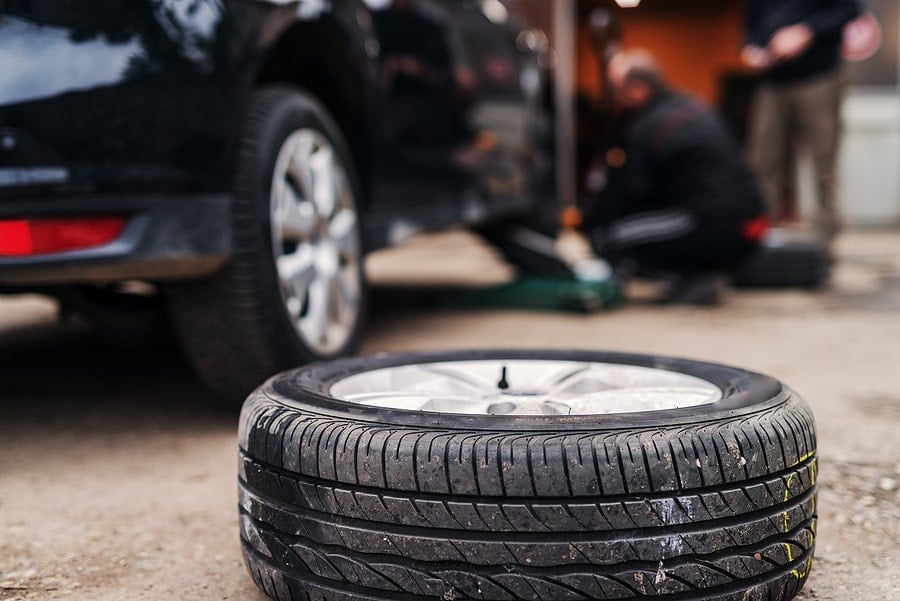
There are lots of things we put off in our lives. However, replacing tires shouldn’t be one of them. Waiting can put you at greater risk of having an accident, lower your vehicle's performance, and lead to increased costs of repairs or replacements. You will also break the law if your tires don’t meet the minimum tread depth. Here are four signs to look out for that your tires could need replacing. Insufficient Tread Depth If there is little or no tread on tires, this can be dangerous, particularly on wet surfaces. The minimum should be 1.6 mm, but if you often drive in the rain and other harsh conditions, you should aim for twice that. Otherwise, you will experience longer stopping distances, which increases your chances of an accident. Low-tread tires can also mean a higher chance of punctures and blowouts, besides reducing fuel efficiency. One simple way to check the tread on older tires that don’t have tread wear indicator bars is to use a penny. If you insert this between the grooves (with the head facing down), you can still see Lincoln’s entire head; the tread is too low and you need new tires. Uneven Wear on the Inside If you notice the tire tread worn on inside of the tires, it could be time to replace your tires. However, if this happens regularly, you might benefit from speaking to a professional and ensuring your new tires are fitted correctly and that your wheel alignment is proper. Avoid driving with tires in this condition because it could lead to steering and suspension problems. It may be tempting to drive short distances, but it’s not worth the risk to you and your family’s safety. The issue could also be a puncture causing the misalignment. It could also be caused by the toe settings going out of alignment or worn ball joints. Unless you’re skilled in fixing these types of issues, it can be quicker and more cost-effective to have a professional fix the problem, and you can avoid making it worse. This should make your new tires last longer and make your vehicle safer. Excessive Vibration While Driving There will always be some vibration while driving. However, too much wear can indicate you need new tires, especially if this often happens, even when you’re not driving on rougher terrain. Continuing to drive when there’s too much vibration can cause severe tire damage, but there are other problems you should check for before buying new tires. Too much vibration could be caused by brakes that need to be fixed, broken motor mounts, worn-out parts, low levels of transmission fluid, or problems with your suspension system. Tires needing replacement are just one possibility out of many others. So if you’re asking yourself, “ When do I need new tires? It helps to get your car looked at by someone qualified to look for all the possibilities, including those you may have overlooked. Cracks or Bulges in the Tire Cracks or bulges in your tires are a serious safety concern and can put you at risk of a tire blowout while driving. Exposure to the elements, like sunlight and extreme temperatures, can cause cracks, weakening the tire's structure. Bulges can be caused by impacts, such as hitting a pothole or curb. Cracks and bulges can cause a loss of air pressure and affect the tire's performance. If you notice any cracks or bulges on your tires, it's important to replace them immediately. Driving on damaged tires can increase the risk of an accident and cause further damage to your vehicle. Regularly inspecting your tires for any signs of damage is essential for your safety on the road. If you're unsure about the condition of your tires, it's always best to have a professional mechanic inspect them to ensure your safety. Regularly checking your tires will help you notice any potential problems. Whether you need tires, new parts, a service for your vehicle, or a new car, Allways Atascosa will be happy to help you.

10 Expert Tips for Buying Your Next Car

Are you in the market for a new car? Whether you're buying your first car or your fifth, it's important to go into the process with a plan in place. Not only will this help you get the best deal, but it will also ensure that you end up with a car that meets your needs and budget. In this post, we'll share 10 expert tips to help you navigate the car buying process and make a smart purchase. By following these tips, you'll be well on your way to finding the perfect car for you. Set a budget and stick to it – unless you're feeling particularly reckless and have a few extra hundred thousand lying around. In that case, go nuts. Do your research and compare different makes and models – unless you're the spontaneous type who likes to live life on the edge. In that case, just close your eyes and point at the first car you see. Consider fuel efficiency and ongoing maintenance costs – or you could just go for the gas-guzzler with a track record of breaking down every other week. Your call. Think about your driving habits and choose a car that meets your needs – unless you're a masochist, in which case you should definitely choose the tiny sports car with no legroom and a loud exhaust. Test drive multiple cars to get a feel for what you like – or you could just blindly trust the sketchy car salesman and skip this step altogether. Don't be afraid to negotiate and shop around for the best deal – unless you want to get ripped off. Consider purchasing a certified pre-owned car – or you could just buy a lemon and hope for the best. Get a Carfax report to check for any past issues or accidents – or you could just close your eyes and hope for the best. Take your time and don't feel rushed into making a decision – unless you like making rash decisions and regretting them later. Don't forget to factor in additional costs, such as insurance and taxes – unless you're planning on living off the grid and not paying any of those pesky fees. In conclusion, buying a car is a big decision that requires some planning and preparation. By following the tips outlined in this post, you'll be able to make a smart and informed decision that fits your budget and meets your needs. Don't forget to set a budget, do your research, consider fuel efficiency and ongoing maintenance costs, test drive multiple cars, negotiate for the best deal, consider purchasing a CPO car, get a Carfax report, take your time, and factor in additional costs. Remember, the key to a successful car purchase is being prepared and doing your own research. Don't be afraid to ask questions and seek out resources that can help you make the best decision. With these expert tips in mind, you'll be well on your way to finding the perfect car for you.

The Potential Pitfalls of Using Aftermarket Parts: Why OEM Is Often the Better Choice

Introduction: Are you considering replacing or upgrading the parts on your car? If so, you may be weighing the pros and cons of using aftermarket parts versus OEM parts. Aftermarket parts can be an attractive option due to their lower cost, but they also come with some potential drawbacks. In this blog post, we'll explore some of the mistakes that consumers can make when using aftermarket parts, and why it may be a better idea to stick with OEM parts in the long run. What are Aftermarket Parts? Before diving into the potential pitfalls of using aftermarket parts, let's first define what they are. Aftermarket parts are replacement parts that are manufactured by companies other than the original manufacturer of a vehicle. These parts are designed to fit and function in the same way as the original parts, but they are often cheaper because they are not produced by the car's manufacturer. Mistake #1: Assuming All Aftermarket Parts are Equal in Quality One of the biggest mistakes that consumers make when using aftermarket parts is assuming that all of these parts are equal in quality. In reality, the quality of aftermarket parts can vary widely. Some aftermarket parts are of high quality and can be a reliable alternative to OEM parts, while others may be poorly made and prone to breaking or malfunctioning. Mistake #2: Underestimating the Importance of Compatibility Another mistake that consumers can make when using aftermarket parts is underestimating the importance of compatibility. It's important to ensure that any replacement parts you use are compatible with your car's make and model. If the parts are not a perfect fit, they may not function correctly and could potentially cause damage to your vehicle. OEM parts, on the other hand, are designed specifically for your car and are guaranteed to be compatible. Mistake #3: Skipping the Warranty Some aftermarket parts come with a warranty, while others do not. If you opt for an aftermarket part that does not come with a warranty, you could be taking a risk. If the part fails or causes problems with your car, you may have to pay for the repairs out of pocket. In contrast, OEM parts typically come with a warranty from the manufacturer, so you can have peace of mind knowing that you are covered in case of any issues. Conclusion: While aftermarket parts can be a tempting option due to their lower cost, there are several potential mistakes that consumers can make when using them. From assuming that all aftermarket parts are equal in quality to underestimating the importance of compatibility and skipping the warranty, these mistakes can end up costing you more in the long run. If you want to ensure that your car is running smoothly and safely, it's often a better idea to stick with OEM parts.

Allways Chrysler Dodge Jeep Ram

The Top 9 Car Buying Mistakes to Avoid

Are you in the market for a new car? If so, it's important to avoid making common mistakes that can end up costing you time, money, and frustration. In this blog post, we'll take a look at the top 9 car-buying mistakes to avoid. Not doing your research. Before you start shopping for a new car, it's important to do your homework. Research different makes and models, compare prices and features, and read reviews from other drivers. This will help you make an informed decision and avoid overpaying for a car that doesn't meet your needs. Focusing on monthly payments. Many car salespeople will try to focus on the monthly payment when negotiating a car deal. However, this can be a trap. By focusing on the monthly payment, you may end up agreeing to a higher interest rate or a longer loan term, which can end up costing you more in the long run. Instead, focus on the total cost of the car, including the price, financing, and any additional fees. Skipping the test drive. Before you buy a car, it's important to take it for a test drive. This will give you a chance to experience how the car handles, feels, and performs on the road. Don't be afraid to ask the salesperson to take you on a longer or more challenging test drive. This will give you a better sense of how the car will perform in real-world driving conditions. Neglecting to check the car's history. Before you buy a car, it's important to check its history. This will give you valuable information about the car's previous owners, any accidents or damage it has sustained, and any outstanding recalls or issues. You can check the car's history by using a service like CARFAX or AutoCheck. Not negotiating the price. Many car buyers are hesitant to negotiate the price of a car, but this is a mistake. In most cases, the price of a car is negotiable, and you can often save thousands of dollars by negotiating with the salesperson. Don't be afraid to make an offer and see if the salesperson is willing to come down on the price. Failing to consider the total cost of ownership. When buying a car, it's important to consider not just the upfront cost, but also the ongoing costs of ownership. These can include things like insurance, fuel, maintenance, and repairs. Be sure to factor these costs into your decision and choose a car that will be affordable to own in the long term. Not shopping around. It's important to shop around and compare prices from different dealerships and sources. Don't just go to one dealership and assume that their price is the best you can get. Instead, look at prices from multiple sources and see if you can find a better deal elsewhere. Buying without a budget. Before you start shopping for a car, it's important to set a budget and stick to it. Determine how much you can afford to spend on a car, and don't let the salesperson talk you into spending more. By setting a budget, you'll be able to avoid overspending and end up with a car that fits your financial situation. Forgetting about hidden costs. When buying a car, there are often hidden costs that can add up and affect your budget. These can include things like taxes, registration fees, and extra charges for things like extended warranties or gap insurance. Be sure to ask the salesperson about these costs and factor them into your decision. In conclusion, buying a new car can be a big decision and it's important to avoid common mistakes. Research different makes and models, compare prices and features, and read reviews from other drivers before making a decision. Be wary of focusing on monthly payments and negotiate the price of the car. Test drive the car and check its history before making a purchase. Consider the total cost of ownership and shop around for the best deal. Set a budget and be aware of hidden costs. By avoiding these mistakes, you can save time, money, and frustration when buying a new car.

Allways Chrysler Dodge Jeep Ram

When Is the Best Time to Buy a New Car?

Buying a new truck, car, or SUV can mean making many decisions; from make and model to color and features, there's a lot to consider. The journey toward a new vehicle might also have you asking, " When will car prices go down?" Will Car Prices Drop in 2022? The short answer from economists is probably not. Car lots are no exception to the supply chain issues that have plagued everyone since the pandemic. But that doesn't mean you can't save some money at all. When to get a new car, truck or SUV does matter. If your timing is right, you can snag a great deal. Timing Matters One of the best opportunities to buy is at a year-end sales event. There are good reasons you can save during the holiday season; unsold inventory needs to move off the lot before 2023 to make space for the new models. If you shop the last week of December, it's possible to save. Perhaps you can't wait until the calendar runs out. That's OK. Good deals can be found at the end of each month, too. Sales events are often held for holidays (and not just Christmas). You can find everything from discounts to special financing on the weekends around Memorial Day, Independence Day, and Labor Day. Model changeovers are also an excellent time to buy. Purchasing the previous year's version allows you to pick up a deal when models change. While you'll still be getting all the great benefits of a new car, you could save some money. The main downside is that you may have fewer options, so flexibility in your wish list will be essential. If you absolutely must have candy apple red and a moonroof, you could be boxing yourself in and may miss out on a great deal on the silver version with no moonroof. Do Your Homework You can't get a good deal if you don't know what a good deal is, right? If you're buying a new truck, car, or SUV, learn everything about the model you want. What are the standard features? What colors are available (and which ones do you like best)? Are you interested in any upgrades? Different types of trim? Add-ons? Unless you know these things, you might end up comparing apples to oranges, and you won't know a good deal when you come across one. Once you know what you want and you're ready to narrow things down, even more, take a test drive. This is when the rubber meets the road, and you can determine if what you think is what you want. What to Look for During the Test Drive The most crucial part of the buying journey is taking a vehicle for a spin. While everything looks good on paper or online, you can't know if a car is right for you until you are in it. Once you're in the driver's seat, drive it like you would in your everyday life. If you are often on the highway, then get on the road. Drive in an area with lots of traffic lights to see how it behaves in stop-and-go situations. Although it's tempting to set the volume to the maximum level, keep the stereo off so you can listen to the engine during the test drive. Once you're back at the dealership, get in and out, check the cargo space, and sit in the back to see what it will be like for your passengers. Now's the time to crank that stereo. It's Time to Buy Once you've done your research and decided on which features are must-haves and worth compromising on, you're ready to keep an eye out for any deals. Maybe last year's model is just right for you, or perhaps you're good with waiting until the last week of the year to find a deal. But if you can't wait and don't want to compromise, a fair price is never out of the question. Deciding when to get a new car, truck or SUV is entirely up to you. If you need help with any aspect of the buying process, contact us today. We're happy to help you by email, phone, or in person.

Allways Chrysler Dodge Jeep Ram

Should I Lease or Buy a Car?

If you’re in the market for a new set of wheels, you might be wondering about the difference between lease and finance and which option might be best for you. The answer is that it depends on your unique set of circumstances and your end goal. To help you figure everything out, let’s start by defining the difference. What Does Financing a Car Mean? Financing a car means getting a loan from a financial institution to buy a car. So how do car loans work? Well, you’ll make payments to the lender over a set period. The costs will include the amount of money you borrowed, interest, and fees. In the end, you own the car. What Does Leasing a Car Mean? Leasing a car simply means that you are renting it. You are paying for the ability to use the vehicle rather than buying it. During your lease, you’ll pay the cost of the rent, as well as taxes and fees. When the lease is up, you’ll be required to return the vehicle in good condition. Pros and Cons of Leasing Like with almost anything, both options have pros and cons. But one is probably better suited for your needs than the other. The benefits of leasing a car can be: Lower monthly payments Lower upfront out-of-pocket cost Generally covered by a warranty No sales tax to worry about No concerns about depreciation Of course, one of the most significant downsides to leasing a car is that you won’t own it even after all the money you’ve put into it. Lease contracts can also be complicated, which makes it hard to shop for the best deal. Here are some of the other cons of leasing to consider: Potentially higher insurance premiums Nickle and dimed for excessive wear and tear Fees and penalties for putting too many miles on the car Fees for terminating the lease early You’ll end up with no trade-in Pros and Cons of Financing The ultimate benefit to financing is that the car will be your property once the loan is paid in full. Some of the other benefits of financing are: No limits on your mileage Lower insurance costs The right to sell the car whenever you want Freedom to make modifications or customize the vehicle The downside to financing could be a higher monthly payment, but this isn’t always the case. Some other cons to consider: More upfront costs (sales tax and down payment) Depreciation of the vehicle Maintenance costs once the warranty is up Should I Lease or Finance? The decision depends on what you need and what is most important to you. If you like driving something new every few years, don’t need to go on long-haul road trips a lot, or don’t have a lot of money upfront, leasing might be the right option. Some leases also allow you to have the opportunity to buy the car when the lease ends too. If you prefer a long-term option, you will want to buy. Financing and owning a vehicle is also the right choice if you must put on many miles or want to make customizations to your car, truck, or SUV. You won’t be able to do those things with a leased vehicle. Leases limit the miles you are allowed to drive each year, and if you go over, there are fees you must agree to pay per mile. That can get pretty expensive if you aren’t careful. The consensus is that it generally makes more financial sense to go for ownership rather than a rental. But the choice is yours. Depending on your wants, needs, and circumstances, one might be a better path than the other. If you need help concerning any aspect of the buying or financing process, contact us today. We’re happy to help you by email, phone, or in person.

Allways Chrysler Dodge Jeep Ram

How Much to Save Up for a New Car?

Whether your old car is breaking down or you are simply ready for a new ride, saving up for a new car is a process you want to consider. There’s so much to consider when buying a new vehicle that you want to give yourself some runway to make sure you get the decision right. This is to say, saving up for a new car means more than just having the money for it. You must understand how to find the specific model you prefer, the features, the payment plan, etc. So, if you are wondering, “ how much should I save for a car?” look no further. By the end of this blog, you’ll know everything about saving up for a new car. Step 1: Budgeting The first step to saving up for a new car is to figure out how much money you can spare to afford one. When considering how to budget for a car, you need to consider other factors besides the specific model you prefer. It will only be one expense, and you’ll need to consider all other costs when budgeting, such as rent, bills, groceries, etc. This is an excellent opportunity to take a broad look at your finances and see where you can make some cuts. Or, maybe you decide that certain things are more valuable to you than a car. If that’s the case, you will be happy that you looked at your finances to figure out what was most important to you. When budgeting for a car, you also must consider the other expenses that go along with it. Inevitably, you will have to have work done on it. You are going to have to pay for insurance. Unless you get an all-electric vehicle, you will need to figure out a budget for gas. Step 2: Pick a Car After knowing how much you can spend on a car, you can start the fun part, shopping! Maybe you’ve always wanted a sports car. Or this purchase is more practical, and you live in a mountain town and need something that can handle rough terrain. Whatever style you prefer, you now know how much you can spend to get the car you want. There are plenty of things to consider. Maybe you have your eye on one car, but another one at the same price has interior features that you just can’t live without. The miles per gallon of gas a vehicle gets is another huge thing to consider, as this can affect how much you expend on your car overall in the long run. Once you’ve picked your car, it’s time to turn back to thinking about money. Step 3: The Down Payment For a lot of car buyers, this can be a thing that scares them. How do you find the best down payment for a car? Does a down payment go towards the car in the end? We can answer both of those questions at the same time. However much you put down upfront, the less you will have to borrow in the long run. So, yes, the down payment goes toward the car, and, in theory, the best down payment is as much as you can manage. Some car companies will offer a zero-dollar down payment, which is great for people who don’t have much saved, but it means you will be paying that much more over time. The recommended down payment on a new car is 20%. So, if the vehicle costs $20,000, ideally, you want to be able to put $4,000 down. You might want to save up to make sure you can put a decent down payment on your car. Consider this: every payment plan will come with an interest rate. If you pay more at the start, you will have to pay less interest throughout your loan’s term. If you are interested in buying a new car or just have a question you want to ask, contact us at Allways Atascosa today!

Contact Us

Fill out this form below and we'll contact you shortly
*Required Fields