Allways Atascosa Dodge Chrysler Jeep Ram

Blog / News

How to Best Prepare Your Car for Trade-In

Allways Chrysler Dodge Jeep Ram
If you plan on trading in your car, it’s important to take specific steps to prepare it first. You may think your car is clean and in good condition. However, there is often room for improvement, and forgetting something important is easy. The following steps will help you maximize your vehicle’s trade-in value towards your next car, ensuring you get the dealer's best possible offer.

Detailing the Interior and Exterior

If you intend to trade in a car, start by thoroughly cleaning your vehicle. Dirt and mess accumulate over time and it’s easy for this to add up, often without you realizing just how messy your car is.
  • Wash the car inside and out, including the wheels. If you have any stubborn stains or marks on the exterior, use a clay bar to remove them.
  • Use a wheel cleaner and a tire shine to make the wheels and tires look new.
  • Remove all the trash and clutter from the interior, and vacuum the seats, carpets, and floor mats. Clean the dashboard and seats with an upholstery cleaner. Use a microfiber cloth to clean the surfaces.
  • Use an odor eliminator to remove any unwanted smells from the car.
  • Clean the windows inside and out using a glass cleaner.
  • Check that the headlights and taillights are clean and fully functioning.
  • Use touch-up paint to cover up any scratches or dents.
  • Finally, to prepare car for trade in, remove any personal items from the vehicle, such as photographs, valuables, CDs, GPS devices, and other accessories.

Addressing Minor Repairs

If you’re wondering how do trade ins work, then the simple answer is that the better condition your car is in, the higher value it has. It may be more expensive to fix big problems, and you’re unlikely to recover large repair expenses, but more minor issues may cost less than the increased value they add to your trade-in, helping you get more towards a new car.
  • Take your car to a mechanic for an inspection. This will help you find any problems that need to be fixed and give you an idea of the cost.
  • If the inspection reveals any mechanical issues, such as problems with the engine or transmission, get them fixed before trading in your car.
  • In case of scratches and dents, fix them. This can help you get a better price and make a good first impression on the dealer.
  • If parts of your car are worn out, such as tires or brakes, replace them before trading in your vehicle.
Preparing Your Trade-In Documentation Collect all the documents related to the car. The requirements may differ slightly from one dealership to another but generally include the following:
  • Vehicle Title: To prove ownership of the vehicle.
  • Registration: This shows that the car has been registered with the state. Make sure this is current and up-to-date.
  • Loan Information: If you still owe money on your car loan, you must provide the dealer with information about the loan, including the name of the lender, the loan account number, and the amount owed.
  • Valid Identification: A document, such as a driver's license, is required to verify your identity.
  • Service Records: These could be maintenance or repair receipts. It’s helpful to bring them with you to the dealer. They can show that the car has been well-maintained.

Getting a Professional Evaluation

An appraisal from a third party will help you in the following ways:
  • An assessment will help you determine the actual value of your car so that you can negotiate a fair price with the dealer. The appraiser will consider the car's age, mileage, condition, and market demand to calculate its value.
  • If the dealer offers you a price lower than the appraised value, you can use the appraisal to back up your argument for a higher price.
  • You can avoid wasting time negotiating with dealers unwilling to offer a fair price. Instead, you can focus on the best place to trade in a car, where the dealers are willing to pay a reasonable price based on the appraisal.
Whether you’re trading in your car or just looking for a new or additional car, Allways Atascosa has the expertise to help you find the right vehicle.
Posted in:

Related Posts

Allways Chrysler Dodge Jeep Ram

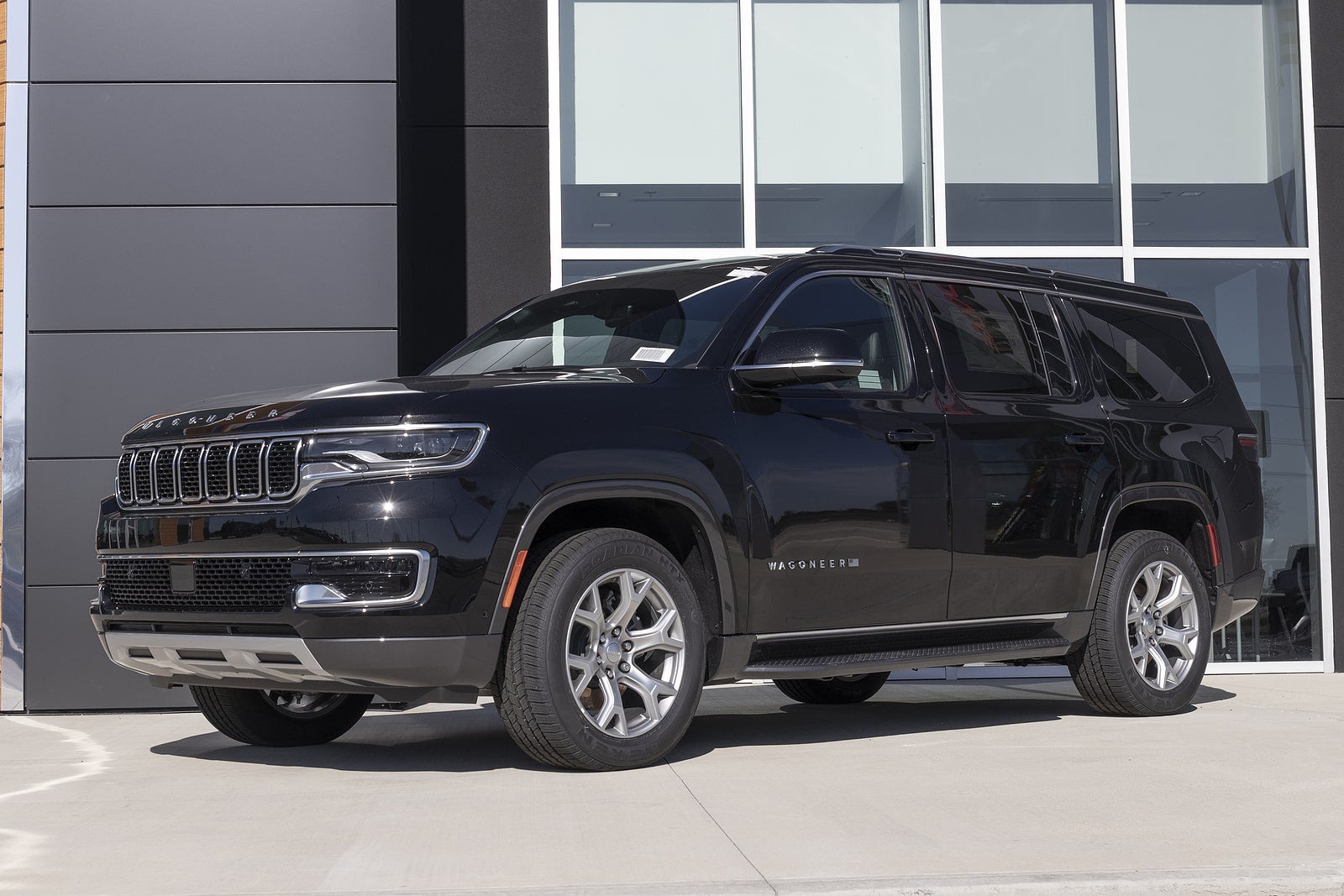
A Close Look at the Jeep Wagoneer

Jeep Grand Wagoneer Interior The Jeep Wagoneer is a very comfortable and spacious SUV. The seats are well-padded, with a lot of legroom and headroom. The interior is also very quiet and relaxing, even when driving on the highway. The Grand Wagoneer comes standard with a Uconnect infotainment system with a 10.1-inch touchscreen, a 19-speaker Harman Kardon audio system, a panoramic sunroof, satellite radio, navigation, Wi-Fi hotspot, Apple CarPlay, Android Auto, and a rear-seat entertainment system. One of the most noticeable features of the Jeep Wagoneer’s interior is the large central touchscreen. The screen is mounted to the center of the dashboard. The front seats are heated, and the rear seats are available with a rear seat entertainment system. How Many Seats in a Jeep Wagoneer The Jeep Wagoneer has a total of eight seats. It comes standard with three rows of seating. This allows for a total of seven-eight people to ride in the vehicle. This is because the third row of seating is not as spacious as the other two rows. As a result, it is best suited for children or smaller adults. The second row of seating is much more spacious and comfortable. It offers plenty of leg room for adults. Safety Features The Jeep Wagoneer has a host of safety features that make it one of the safest vehicles on the road. It has a strong frame that can protect passengers in the event of a collision. This SUV has everything from adaptive cruise control to a self-parking function to night vision. Such as: Semi-Autonomous Mode: The Wagoneer's semi-autonomous mode enables hands-free driving in certain conditions. This can be a great help when you're stuck in stop-and-go traffic Forward-Collision Warning: It uses its radar to detect potential accidents. If it detects a potential collision, it will warn you so you can take action to avoid it Automated Emergency Braking: The Wagoneer can automatically apply the brakes if it detects a potential collision. This can help you avoid an accident or minimize the severity of one Blind-Spot Monitoring: It uses sensors to detect vehicles in your blind spot. If it detects a vehicle, it will warn you so you can take action to avoid it Jeep Wagoneer Towing Capacity The brand new Jeep Wagoneer is a classic-designed SUV with a powerful 6.4-liter V8 engine and a three-speed automatic transmission with rear-wheel drive. The 2022 Jeep Wagoneer has a towing capacity of almost 10,000 pounds. This SUV is also equipped with an adjustable suspension system that can be adjusted to accommodate different loads. Jeep Wagoneer will have a four-wheel drive system with a limited-slip differential. This system will help to improve traction and stability while towing. The SUV will also have a trailer hitch receiver and a trailer brake controller. How Much is the New Jeep Wagoneer The base model of the Jeep Wagoneer is priced at $58,845. The upper trims will start at $87,000. The Jeep Grand Wagoneer will start at $86,000. To Wrap It Up If you're looking for an SUV that's packed with power and luxury, the all-new Jeep Wagoneer and Grand Wagoneer are worth a look. But be prepared to open up your wallet, as both models come with a hefty price tag. But it’ll be worth it. So, get one today.

Allways Chrysler Dodge Jeep Ram

The Best Vehicle for a Family

If you’re in the early stages of parenthood, traveling with your kids means your priorities are probably pretty specific. There are several factors to consider when buying a car, but with kids involved, you may need to change your wish list. Your perspective on vehicles will suddenly shift to figuring out the safest vehicles for families. Instead of significant horsepower, loud stereo, and the level of prestige, the hunt may change to family functionality, safety functions, and staying within budget. It’s essential to keep in mind that you’re searching for a car to transport everyone comfortably, safely, and happily. Here are five quick tips for finding the best family cars, SUVs, and trucks on the dealership lots. How Do I Look for The Best Family SUV? Vehicle Size – Whether you have a small or large family, the size of the vehicle you want is important to determine. If plenty of space is high on your list, then an SUV might be the way to go. SUVs are very popular as family vehicles, and it’s not hard to see why. Traditional vehicles typically sit very low, whereas SUVs are higher off the ground. As a parent, you may need to consider space for a car seat, booster seats, and, eventually, gangly teenagers. Another thing you need to ask is, does the car come with child safety seat anchors? These child safety seat anchors are crucial when strapping in a car seat as this keeps it secure while driving. Safety Functions and Systems – To keep your family safe, safety should be a top priority on your list. These safety functions include parking sensors, blind-spot warning devices, and backup cameras. By having a backup camera, you’ll be able to avoid any surprises. Getting a vehicle with a blind-spot camera helps detect nearby drivers as you’re changing lanes or even passing someone next to you. Similar to the backup camera, parking sensors help you avoid backing up into any cars or people. Another recommended safety function is automatic emergency brakes. Automatic emergency brakes can tell you the car’s speed ahead of you and automatically adjust your vehicle accordingly. Adaptive cruise control is helpful when it comes to reducing the risk of fatigue on a long road trip and will change your speed depending on the traffic around you. Entertainment T.V.s and Technology – Looking for a way to entertain your kids on long road trips? If so, you may want to prioritize entertainment for the backseat. Entertainment for the kids can be a distraction for youngsters, and hassle-free driving for the lengthier family journeys ahead. Newer features can include: Built-in Mobile Wi-Fi hotspots Built-in Back-Seat Tablets Apple CarPlay or Android Auto Wireless Phone Charging Pads Interior Seats – We all know kids get hungry on the drive, which can lead to crummy messes. The type of interior is critical if you want to maintain your car and have the seats remain crumb-free easily. Many vehicles come with standard cloth-covered seats. These cloth-covered seats are inexpensive and work for a family with a set budget. However, if you want clean-up to be simpler, opt for a more wipeable material to extend the lifespan of your vehicle. Materials like leather or even pleather can make for easy removal of spills, stains, and snack crumbs. If you’re looking for cheaper alternatives, washable pockets, cup holders, all-weather floor mats, or even a portable vacuum can work. Cost of Ownership and Reliability – That car, truck, or SUV price tag can jump if you consider adding more safety features or even paying extra for interior materials. If you’re having trouble deciding, try making a pros and cons list to compare various brands or models. By narrowing things down, you can save time and determine which vehicle is ready for the road – and which one might be headed for the mechanic’s shop. Whether you’re looking for the best trucks for families or the best SUVs, we have both and a whole lot more. If you’re interested in buying new or used family cars or trucks, contact us today!

Allways Chrysler Dodge Jeep Ram

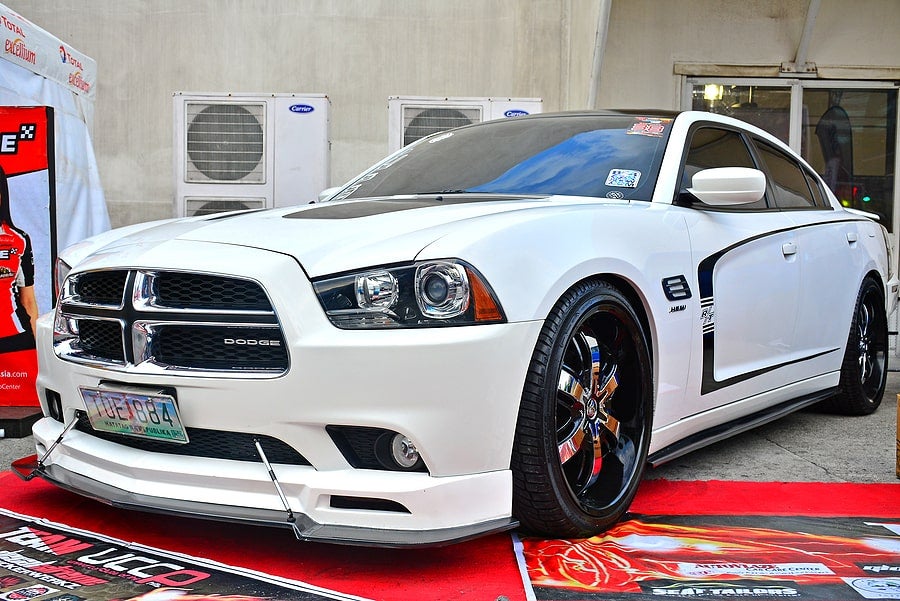
The Process of Custom-Building a Car

If you enjoy tinkering with your vehicle, you should build a custom car. The process can be gratifying if you take the time to build a custom vehicle well. If you rush and do cheap, shoddy work, the result could be disastrous and most likely never be worth the time and money you invested. Step by Step on How to Build a Custom Car Whether you see yourself as a fledgling car enthusiast or want to ensure you have the most remarkable vehicle out of anyone you know, read more to find out the following steps to take. Know a bit more about how to custom order a car, and find answers to questions like “ how long does it take to order a car” and “ how to trade in when ordering a new car.” Step 1: Check What Is Legal The first and most important thing you should consider is what is legal in your area. For example, in some parts of the world, the legal requirements for building a car may be so stringent that construction would necessitate many people and a spectacular level of planning. For example, there may be restrictions based on the chassis, and you may not be allowed to weld it yourself unless you demonstrate that you have specific plans and equipment. Step 2: Determine the Vehicle, Budget and Time Frame Decide on the specific type of vehicle you want to build, as these will determine the budget and timeframe for completion. Do you want to build a custom car that Is a classic truck? Will it be a muscle car, a late-model modified car, or a race car? Step 3: Decide on a Budget and a Time Frame for Project Completion Set up your budget and base it on a monthly or yearly timeline. Many builders do not have unlimited funds for their build, and many car projects take several years to complete. Budgeting within your available income will keep your nerves calm and keep you from going overboard on the project. Set a reasonable timeline for your project. If you are purchasing a good-conditioned vehicle that needs only some touch-up work, you might find that your time frame may decrease to just a few months or weeks. Step 4: Purchase the Vehicle Project, Plan the Build, Acquire Tools This is the stage to purchase the vehicle you intend to customize. You can also trade in when ordering a new car. To build a custom car, you will often need to focus on engine restoration, body and paint restoration, and interior restoration. Make a list of replacement parts and parts that you can repair or clean up yourself. Engine work, upholstery, and paint can be in this category. Also, buy tools and literature such as engine rebuilding guides, paint guides, and automotive reconditioning manuals that will list the specialty tools you require at each stage. Step 5: Start the Tear-Down Process Most projects proceed as follows: tear down, restore, rebuild. During the tear-down phase, you will remove significant components of the project car to gain access to areas that need to be restored before rebuilding. Start by fixing damaged or unsightly parts of the project car, adding planned details to the custom car project, and preparing those parts for the rebuilding process. This stage often mixes bodywork, paint, engine repair, and upholstery into a symphony of flying auto parts and is also the most expensive and stressful part of the build process. Step 6: Commence the Rebuilding Process Reassemble the vehicle using restored or customized components. In this final build stage, you will need to carefully install the repaired parts back onto the car one at a time, taking care not to damage the carefully rebuilt or restored parts. Some final assembly steps are typically delegated to skilled professionals: Upholstery detailing and painting are best left to professionals. How to Custom Order a Car? A little-known way to avoid wasting time looking for a vehicle that meets your needs is to get a custom-built vehicle from a manufacturer. This guarantees you will get the precise car, color, and option combination you want. For the process, you’ll need patience. So how long does it take to order a car? Because market conditions continuously change, a domestic-built vehicle can take between six to eight weeks. It can take three months for a car built overseas and longer for an electric vehicle from a lower-volume manufacturer. Ready to customize and order your new car? Visit our website and book an appointment today!