




Allways Atascosa Dodge Chrysler Jeep Ram

Introduction:

Are you considering replacing or upgrading the parts on your car? If so, you may be weighing the pros and cons of using aftermarket parts versus OEM parts. Aftermarket parts can be an attractive option due to their lower cost, but they also come with some potential drawbacks. In this blog post, we’ll explore some of the mistakes that consumers can make when using aftermarket parts, and why it may be a better idea to stick with OEM parts in the long run.

What are Aftermarket Parts?

Before diving into the potential pitfalls of using aftermarket parts, let’s first define what they are. Aftermarket parts are replacement parts that are manufactured by companies other than the original manufacturer of a vehicle. These parts are designed to fit and function in the same way as the original parts, but they are often cheaper because they are not produced by the car’s manufacturer.

Mistake #1: Assuming All Aftermarket Parts are Equal in Quality

One of the biggest mistakes that consumers make when using aftermarket parts is assuming that all of these parts are equal in quality. In reality, the quality of aftermarket parts can vary widely. Some aftermarket parts are of high quality and can be a reliable alternative to OEM parts, while others may be poorly made and prone to breaking or malfunctioning.

Mistake #2: Underestimating the Importance of Compatibility

Another mistake that consumers can make when using aftermarket parts is underestimating the importance of compatibility. It’s important to ensure that any replacement parts you use are compatible with your car’s make and model. If the parts are not a perfect fit, they may not function correctly and could potentially cause damage to your vehicle. OEM parts, on the other hand, are designed specifically for your car and are guaranteed to be compatible.

Mistake #3: Skipping the Warranty

Some aftermarket parts come with a warranty, while others do not. If you opt for an aftermarket part that does not come with a warranty, you could be taking a risk. If the part fails or causes problems with your car, you may have to pay for the repairs out of pocket. In contrast, OEM parts typically come with a warranty from the manufacturer, so you can have peace of mind knowing that you are covered in case of any issues.

Conclusion:

While aftermarket parts can be a tempting option due to their lower cost, there are several potential mistakes that consumers can make when using them. From assuming that all aftermarket parts are equal in quality to underestimating the importance of compatibility and skipping the warranty, these mistakes can end up costing you more in the long run. If you want to ensure that your car is running smoothly and safely, it’s often a better idea to stick with OEM parts.

Allways Chrysler Dodge Jeep Ram

Are you in the market for a new car? If so, it’s important to avoid making common mistakes that can end up costing you time, money, and frustration. In this blog post, we’ll take a look at the top 9 car-buying mistakes to avoid.

  1. Not doing your research.
    Before you start shopping for a new car, it’s important to do your homework. Research different makes and models, compare prices and features, and read reviews from other drivers. This will help you make an informed decision and avoid overpaying for a car that doesn’t meet your needs.
  2. Focusing on monthly payments.
    Many car salespeople will try to focus on the monthly payment when negotiating a car deal. However, this can be a trap. By focusing on the monthly payment, you may end up agreeing to a higher interest rate or a longer loan term, which can end up costing you more in the long run. Instead, focus on the total cost of the car, including the price, financing, and any additional fees.
  3. Skipping the test drive.
    Before you buy a car, it’s important to take it for a test drive. This will give you a chance to experience how the car handles, feels, and performs on the road. Don’t be afraid to ask the salesperson to take you on a longer or more challenging test drive. This will give you a better sense of how the car will perform in real-world driving conditions.
  4. Neglecting to check the car’s history.
    Before you buy a car, it’s important to check its history. This will give you valuable information about the car’s previous owners, any accidents or damage it has sustained, and any outstanding recalls or issues. You can check the car’s history by using a service like CARFAX or AutoCheck.
  5. Not negotiating the price.
    Many car buyers are hesitant to negotiate the price of a car, but this is a mistake. In most cases, the price of a car is negotiable, and you can often save thousands of dollars by negotiating with the salesperson. Don’t be afraid to make an offer and see if the salesperson is willing to come down on the price.
  6. Failing to consider the total cost of ownership.
    When buying a car, it’s important to consider not just the upfront cost, but also the ongoing costs of ownership. These can include things like insurance, fuel, maintenance, and repairs. Be sure to factor these costs into your decision andchoose a carthat will be affordable to own in the long term.
  7. Not shopping around.
    It’s important to shop around and compare prices from different dealerships and sources. Don’t just go to one dealership and assume that their price is the best you can get. Instead, look at prices from multiple sources and see if you can find a better deal elsewhere.
  8. Buying without a budget.
    Before you start shopping for a car, it’s important to set a budget and stick to it. Determine how much you can afford to spend on a car, and don’t let the salesperson talk you into spending more. By setting a budget, you’ll be able to avoid overspending and end up with a car that fits your financial situation.
  9. Forgetting about hidden costs.
    Whenbuying a car, there are often hidden costs that can add up and affect your budget. These can include things like taxes, registration fees, and extra charges for things like extended warranties or gap insurance. Be sure to ask the salesperson about these costs and factor them into your decision.

In conclusion, buying a new car can be a big decision and it’s important to avoid common mistakes. Research different makes and models, compare prices and features, and read reviews from other drivers before making a decision. Be wary of focusing on monthly payments and negotiate the price of the car. Test drive the car and check its history before making a purchase. Consider the total cost of ownership and shop around for the best deal. Set a budget and be aware of hidden costs. By avoiding these mistakes, you can save time, money, and frustration when buying a new car.

Allways Chrysler Dodge Jeep Ram

Buying a new truck, car, or SUV can mean making many decisions; from make and model to color and features, there’s a lot to consider. The journey toward a new vehicle might also have you asking, “When will car prices go down?”

Will Car Prices Drop in 2022?

The short answer from economists is probably not. Car lots are no exception to the supply chain issues that have plagued everyone since the pandemic. But that doesn’t mean you can’t save some money at all. When to get a new car, truck or SUV does matter. If your timing is right, you can snag a great deal.

Timing Matters

One of the best opportunities to buy is at a year-end sales event. There are good reasons you can save during the holiday season; unsold inventory needs to move off the lot before 2023 to make space for the new models. If you shop the last week of December, it’s possible to save. Perhaps you can’t wait until the calendar runs out. That’s OK. Good deals can be found at the end of each month, too.

Sales events are often held for holidays (and not just Christmas). You can find everything from discounts to special financing on the weekends around Memorial Day, Independence Day, and Labor Day.

Model changeovers are also an excellent time to buy. Purchasing the previous year’s version allows you to pick up a deal when models change. While you’ll still be getting all the great benefits of a new car, you could save some money. The main downside is that you may have fewer options, so flexibility in your wish list will be essential. If you absolutely must have candy apple red and a moonroof, you could be boxing yourself in and may miss out on a great deal on the silver version with no moonroof.

Do Your Homework

You can’t get a good deal if you don’t know what a good deal is, right? If you’re buying a new truck, car, or SUV, learn everything about the model you want. What are the standard features? What colors are available (and which ones do you like best)? Are you interested in any upgrades? Different types of trim? Add-ons? Unless you know these things, you might end up comparing apples to oranges, and you won’t know a good deal when you come across one.

Once you know what you want and you’re ready to narrow things down, even more, take a test drive. This is when the rubber meets the road, and you can determine if what you think is what you want.

What to Look for During the Test Drive

The most crucial part of the buying journey is taking a vehicle for a spin. While everything looks good on paper or online, you can’t know if a car is right for you until you are in it. Once you’re in the driver’s seat, drive it like you would in your everyday life.

If you are often on the highway, then get on the road. Drive in an area with lots of traffic lights to see how it behaves in stop-and-go situations. Although it’s tempting to set the volume to the maximum level, keep the stereo off so you can listen to the engine during the test drive.

Once you’re back at the dealership, get in and out, check the cargo space, and sit in the back to see what it will be like for your passengers. Now’s the time to crank that stereo.

It’s Time to Buy

Once you’ve done your research and decided on which features are must-haves and worth compromising on, you’re ready to keep an eye out for any deals. Maybe last year’s model is just right for you, or perhaps you’re good with waiting until the last week of the year to find a deal. But if you can’t wait and don’t want to compromise, a fair price is never out of the question.

Deciding when to get a new car, truck or SUV is entirely up to you. If you need help with any aspect of the buying process, contact us today. We’re happy to help you by email, phone, or in person.

Allways Chrysler Dodge Jeep Ram
If you’re in the market for a new set of wheels, you might be wondering about the difference between lease and finance and which option might be best for you. The answer is that it depends on your unique set of circumstances and your end goal. To help you figure everything out, let’s start by defining the difference.

What Does Financing a Car Mean?

Financing a car means getting a loan from a financial institution to buy a car. So how do car loans work? Well, you’ll make payments to the lender over a set period. The costs will include the amount of money you borrowed, interest, and fees. In the end, you own the car.

What Does Leasing a Car Mean?

Leasing a car simply means that you are renting it. You are paying for the ability to use the vehicle rather than buying it. During your lease, you’ll pay the cost of the rent, as well as taxes and fees. When the lease is up, you’ll be required to return the vehicle in good condition.

Pros and Cons of Leasing

Like with almost anything, both options have pros and cons. But one is probably better suited for your needs than the other. The benefits of leasing a car can be:

  • Lower monthly payments
  • Lower upfront out-of-pocket cost
  • Generally covered by a warranty
  • No sales tax to worry about
  • No concerns about depreciation

Of course, one of the most significant downsides to leasing a car is that you won’t own it even after all the money you’ve put into it. Lease contracts can also be complicated, which makes it hard to shop for the best deal. Here are some of the other cons of leasing to consider:

  • Potentially higher insurance premiums
  • Nickle and dimed for excessive wear and tear
  • Fees and penalties for putting too many miles on the car
  • Fees for terminating the lease early
  • You’ll end up with no trade-in

Pros and Cons of Financing

The ultimate benefit to financing is that the car will be your property once the loan is paid in full. Some of the other benefits of financing are:

  • No limits on your mileage
  • Lower insurance costs
  • The right to sell the car whenever you want
  • Freedom to make modifications or customize the vehicle

The downside to financing could be a higher monthly payment, but this isn’t always the case. Some other cons to consider:

  • More upfront costs (sales tax and down payment)
  • Depreciation of the vehicle
  • Maintenance costs once the warranty is up

Should I Lease or Finance?

The decision depends on what you need and what is most important to you. If you like driving something new every few years, don’t need to go on long-haul road trips a lot, or don’t have a lot of money upfront, leasing might be the right option. Some leases also allow you to have the opportunity to buy the car when the lease ends too.

If you prefer a long-term option, you will want to buy. Financing and owning a vehicle is also the right choice if you must put on many miles or want to make customizations to your car, truck, or SUV. You won’t be able to do those things with a leased vehicle. Leases limit the miles you are allowed to drive each year, and if you go over, there are fees you must agree to pay per mile. That can get pretty expensive if you aren’t careful.

The consensus is that it generally makes more financial sense to go for ownership rather than a rental. But the choice is yours. Depending on your wants, needs, and circumstances, one might be a better path than the other.

If you need help concerning any aspect of the buying or financing process, contact us today. We’re happy to help you by email, phone, or in person.

Whether your old car is breaking down or you are simply ready for a new ride, saving up for a new car is a process you want to consider. There’s so much to consider when buying a new vehicle that you want to give yourself some runway to make sure you get the decision right.

Allways Chrysler Dodge Jeep Ram

This is to say, saving up for a new car means more than just having the money for it. You must understand how to find the specific model you prefer, the features, the payment plan, etc. So, if you are wondering, “how much should I save for a car?” look no further. By the end of this blog, you’ll know everything about saving up for a new car.

Step 1: Budgeting 

The first step to saving up for a new car is to figure out how much money you can spare to afford one. When considering how to budget for a car, you need to consider other factors besides the specific model you prefer.

It will only be one expense, and you’ll need to consider all other costs when budgeting, such as rent, bills, groceries, etc. This is an excellent opportunity to take a broad look at your finances and see where you can make some cuts. Or, maybe you decide that certain things are more valuable to you than a car. If that’s the case, you will be happy that you looked at your finances to figure out what was most important to you.

When budgeting for a car, you also must consider the other expenses that go along with it. Inevitably, you will have to have work done on it. You are going to have to pay for insurance. Unless you get an all-electric vehicle, you will need to figure out a budget for gas.

Step 2: Pick a Car

After knowing how much you can spend on a car, you can start the fun part, shopping! Maybe you’ve always wanted a sports car. Or this purchase is more practical, and you live in a mountain town and need something that can handle rough terrain. Whatever style you prefer, you now know how much you can spend to get the car you want.

There are plenty of things to consider. Maybe you have your eye on one car, but another one at the same price has interior features that you just can’t live without. The miles per gallon of gas a vehicle gets is another huge thing to consider, as this can affect how much you expend on your car overall in the long run.

Once you’ve picked your car, it’s time to turn back to thinking about money.

Step 3: The Down Payment

For a lot of car buyers, this can be a thing that scares them. How do you find the best down payment for a carDoes a down payment go towards the car in the end?

We can answer both of those questions at the same time. However much you put down upfront, the less you will have to borrow in the long run. So, yes, the down payment goes toward the car, and, in theory, the best down payment is as much as you can manage. Some car companies will offer a zero-dollar down payment, which is great for people who don’t have much saved, but it means you will be paying that much more over time.

The recommended down payment on a new car is 20%. So, if the vehicle costs $20,000, ideally, you want to be able to put $4,000 down.

You might want to save up to make sure you can put a decent down payment on your car. Consider this: every payment plan will come with an interest rate. If you pay more at the start, you will have to pay less interest throughout your loan’s term.

If you are interested in buying a new car or just have a question you want to ask, contact us at Allways Atascosa today!

This year, more and more electric vehicles (EVs) are getting out of dealerships and hitting the roads. The main reason? They’re environmentally friendly. These cars don’t produce harmful emissions and also cause minimal noise pollution.

Allways Chrysler Dodge Jeep Ram

But how do electric cars move from point A to point B? This post will take you through the main parts and systems that make EVs run. And don’t creep out because this won’t be an electrical engineering class. We’ll try to break down the complex topics into digestible ideas.

How Do Electric Cars Work?

First, it’s not always easy to know that a car is electric from the outside. One reason is that car manufacturers are eliminating internal combustion engines in existing models and replacing them with electric systems. One way to tell the difference is that EVs are almost silent in such a case.

Second, like automatic transmission cars, EVs have forward and reverse modes. Let’s now look at the most fundamental parts of an electric vehicle:

  • Battery pack: Rechargeable batteries store electric energy through direct current (DC). In short, the pack functions like a fuel tank.
  • Inverter: This device converts high-voltage DC power to lower-voltage alternating current (AC) power for car operations such as accessories. Likewise, the inverter converts AC from regenerative braking to DC for battery storage.
  • Electric motor: Like an engine, an electric motor enables an EV to move. An electric motor is basically a machine that converts electrical energy into mechanical energy.

It’s the same concept with the gas or diesel engine, but in the place of electricity, these engines use thermal energy (fuel combustion) and turn it into mechanical energy. An engine is a type of motor, but not all motors are engines.

  • Controller: This is mainly controlled through the car’s pedal, and its primary purpose is regulating the flow of electrical energy from the batteries and inverter to the electric motor.
  • Charge port: This is where the vehicle connects to an external power supply.

That said, let’s discuss this a bit more thoroughly and see what happens when you put the vehicle in gear and press the accelerator:

  1. The accelerator sends a signal to the controller to adjust the vehicle speed by altering the frequency of the AC power. This power is then sent from the inverter to the motor.
  2. Upon receiving a signal from the controller, the battery will transmit DC electrical energy to the inverter.
  3. With the aid of an inverter, the power in the batteries is converted from direct current (DC) to alternating current (AC) for the electric motor.
  4. The motor connects and turns the wheels via a cog. When you apply brakes, the electric motor becomes an alternator and sends power back to the batteries for storage. This is what is referred to as regenerative braking.

Types of Electric Cars

There are three main types of electric cars:

  1. Battery electric vehicles (BEVs)

These fully electric vehicles are exclusively powered by batteries and have no engine parts.

  1. Hybrid electric vehicles (HEVs)

You’re probably wondering, “do hybrid cars use gas?” Well, these cars use a combination of an electric motor, a battery and a conventional internal combustion engine to reduce fuel consumption. Additionally, the battery is charged through regenerative braking, so you don’t have to plug the car into a power outlet.

  1. Plug-in hybrid electric vehicles (PHEVs)

This is similar to the hybrid but with a bigger battery and a more powerful electric motor. As a result, it’s possible to use the electric-only mode and completely bypass the internal combustion engine. Similarly, you can run exclusively on gas if the battery charge is used up. And while the car can automatically recharge the battery, you can choose to top up with either fuel or electricity because PHEVs have both a charging port and a gas tank.

Find a Car That Suits Your Needs

In a nutshell, environmentally friendly cars are the way to go. You will have minimal maintenance with an electric vehicle, which translates to clean and cheap motoring.

And if you’re thinking about investing in an EV, we are here to help. Contact us, and we’ll help you find the right car that suits your needs.

You need a car but don’t know where to start. This is a common scenario for people in need of new wheels. If you’re new to the car market, shopping for a vehicle can feel hectic. Before you sit down and think about the price, make, and model, you need to decide if you want a new or used car. We can provide assistance if you’re stuck in the new vs. used car debate.

Allways Chrysler Dodge Jeep Ram

Here are some tips to help alleviate stress and help you get the car of your dreams:

Things to Consider When Buying a Car:

  • Set a Budget and Stick to It

The first thing you need to do before you start looking is set a budget and stick to it. When looking at cars, it can be very easy to overlook price when being awed by things like features, premium interiors, and paint colors. Setting a budget can help veer you away from cars out of your price range and lower the risk of overspending.

  • Find the Best Fit

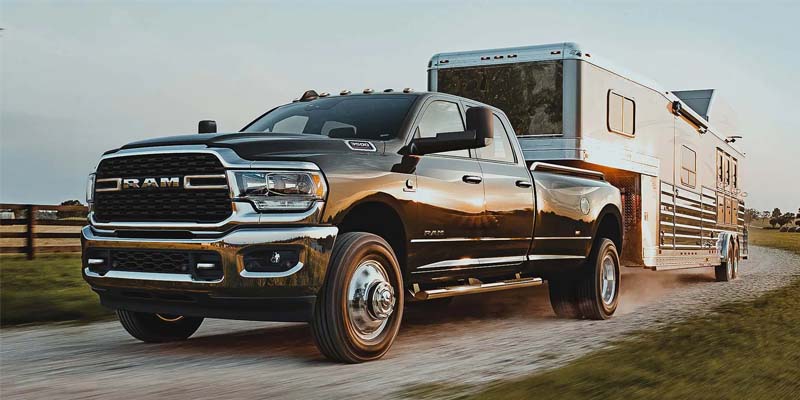
Before the car hunt begins, ask yourself what you are looking for in a car. Are you looking for heated seats or maybe more space in the trunk? Start by listing non-negotiables and other car components you may be willing to budge on. Taller vehicles like SUVs are popular because they come equipped with an open back and can handle all kinds of weather. Heavier duty trucks like the Ram 1500 are suitable for the classic towing and long hauling of heavy equipment.

Why to Buy New?

Vehicle History – One of the benefits of buying a new car is that the owner doesn’t need to obtain previous reports since it’s fresh off the market. When looking at a used car, you may need to shuffle through lots of vehicle history, which can take time. You can visit websites like CARFAX if you’re looking for in-depth reports of the car’s history, including the number of owners, previous damages to the vehicle, and the services performed on them.

All the Glitz and Glam – Another benefit to buying a new car is all the incredible features. Upgraded seats, the latest technology, and better performance are just the tip of the iceberg when purchasing a new vehicle. Buying a used car is very unlikely to get all of your boxes checked off, and you may have to compromise.

Little to No Maintenance – When buying a new car, you get it fresh and unused. This includes little to no evaluation considering it’s in a new, peak condition and may not require a trip to the mechanic for a while. If your new car breaks down, you will likely have it fixed for free under the included factory warranty for the first miles.

Why Buy Used?

Save Big Bucks – If you aren’t looking to break the bank, buying a used car may be the way to go. Used cars are great options if you’re looking for a reliable but affordable set of wheels. When you spend less money on the car upfront, you can put extra money into upgrades to your car. If you want all the glitz and glam, upgrade your radio to a touchscreen or get new upholstery. These touches can easily create the wow factor without causing you to go over budget.

Lower Insurance Rates – Older vehicles are typically worth less money; therefore, it costs less to insure them. When buying a new car, if you get a loan, you will likely have to have full insurance coverage, which can be very expensive. However, by buying a used car, you may be able to save money on insurance in the long run and put the money toward other things.

Less Chance of Depreciation – Newer cars lose value quickly within the first year they are purchased, but used cars have little to no depreciation. Depreciation is an essential factor to consider because it determines your car’s long-term value. This can come into play later if you want to trade in, total, or resell the car.

Both new and used cars are great options. It just depends on what you need and where you set your budget. Contact us today if you’re interested in our extensive selection.

Allways Chrysler Dodge Jeep Ram

If you’re in the market for a new set of wheels, you might be wondering about the difference between lease and finance and which option might be best for you. The answer is that it depends on your unique set of circumstances and your end goal. To help you figure everything out, let’s start by defining the difference.

What Does Financing a Car Mean?

Financing a car means getting a loan from a financial institution to buy a car. So how do car loans work? Well, you’ll make payments to the lender over a set period. The costs will include the amount of money you borrowed, interest, and fees. In the end, you own the car.

What Does Leasing a Car Mean?

Leasing a car simply means that you are renting it. You are paying for the ability to use the vehicle rather than buying it. During your lease, you’ll pay the cost of the rent, as well as taxes and fees. When the lease is up, you’ll be required to return the vehicle in good condition.

Pros and Cons of Leasing

Like with almost anything, both options have pros and cons. But one is probably better suited for your needs than the other. The benefits of leasing a car can be:

  • Lower monthly payments
  • Lower upfront out-of-pocket cost
  • Generally covered by a warranty
  • No sales tax to worry about
  • No concerns about depreciation

Of course, one of the most significant downsides to leasing a car is that you won’t own it even after all the money you’ve put into it. Lease contracts can also be complicated, which makes it hard to shop for the best deal. Here are some of the other cons of leasing to consider:

  • Potentially higher insurance premiums
  • Nickle and dimed for excessive wear and tear
  • Fees and penalties for putting too many miles on the car
  • Fees for terminating the lease early
  • You’ll end up with no trade-in

Pros and Cons of Financing

The ultimate benefit to financing is that the car will be your property once the loan is paid in full. Some of the other benefits of financing are:

  • No limits on your mileage
  • Lower insurance costs
  • The right to sell the car whenever you want
  • Freedom to make modifications or customize the vehicle

The downside to financing could be a higher monthly payment, but this isn’t always the case. Some other cons to consider:

  • More upfront costs (sales tax and down payment)
  • Depreciation of the vehicle
  • Maintenance costs once the warranty is up

Should I Lease or Finance?

The decision depends on what you need and what is most important to you. If you like driving something new every few years, don’t need to go on long-haul road trips a lot, or don’t have a lot of money upfront, leasing might be the right option. Some leases also allow you to have the opportunity to buy the car when the lease ends too.

If you prefer a long-term option, you will want to buy. Financing and owning a vehicle is also the right choice if you must put on many miles or want to make customizations to your car, truck, or SUV. You won’t be able to do those things with a leased vehicle. Leases limit the miles you are allowed to drive each year, and if you go over, there are fees you must agree to pay per mile. That can get pretty expensive if you aren’t careful.

The consensus is that it generally makes more financial sense to go for ownership rather than a rental. But the choice is yours. Depending on your wants, needs, and circumstances, one might be a better path than the other.

If you need help concerning any aspect of the buying or financing process, contact us today. We’re happy to help you by email, phone, or in person.

If you’re in the early stages of parenthood, traveling with your kids means your priorities are probably pretty specific. There are several factors to consider when buying a car, but with kids involved, you may need to change your wish list. Your perspective on vehicles will suddenly shift to figuring out the safest vehicles for families.

Allways Chrysler Dodge Jeep Ram

Instead of significant horsepower, loud stereo, and the level of prestige, the hunt may change to family functionality, safety functions, and staying within budget. It’s essential to keep in mind that you’re searching for a car to transport everyone comfortably, safely, and happily.

Here are five quick tips for finding the best family cars, SUVs, and trucks on the dealership lots.

How Do I Look for The Best Family SUV?

  1. Vehicle Size – Whether you have a small or large family, the size of the vehicle you want is important to determine. If plenty of space is high on your list, then an SUV might be the way to go. SUVs are very popular as family vehicles, and it’s not hard to see why.

Traditional vehicles typically sit very low, whereas SUVs are higher off the ground. As a parent, you may need to consider space for a car seat, booster seats, and, eventually, gangly teenagers. Another thing you need to ask is, does the car come with child safety seat anchors? These child safety seat anchors are crucial when strapping in a car seat as this keeps it secure while driving.

  1. Safety Functions and Systems – To keep your family safe, safety should be a top priority on your list. These safety functions include parking sensors, blind-spot warning devices, and backup cameras. By having a backup camera, you’ll be able to avoid any surprises. Getting a vehicle with a blind-spot camera helps detect nearby drivers as you’re changing lanes or even passing someone next to you. Similar to the backup camera, parking sensors help you avoid backing up into any cars or people.

Another recommended safety function is automatic emergency brakes. Automatic emergency brakes can tell you the car’s speed ahead of you and automatically adjust your vehicle accordingly. Adaptive cruise control is helpful when it comes to reducing the risk of fatigue on a long road trip and will change your speed depending on the traffic around you.

  1. Entertainment T.V.s and Technology – Looking for a way to entertain your kids on long road trips? If so, you may want to prioritize entertainment for the backseat. Entertainment for the kids can be a distraction for youngsters, and hassle-free driving for the lengthier family journeys ahead.

Newer features can include:

  • Built-in Mobile Wi-Fi hotspots
  • Built-in Back-Seat Tablets
  • Apple CarPlay or Android Auto
  • Wireless Phone Charging Pads
  1. Interior Seats – We all know kids get hungry on the drive, which can lead to crummy messes. The type of interior is critical if you want to maintain your car and have the seats remain crumb-free easily. Many vehicles come with standard cloth-covered seats. These cloth-covered seats are inexpensive and work for a family with a set budget.

However, if you want clean-up to be simpler, opt for a more wipeable material to extend the lifespan of your vehicle. Materials like leather or even pleather can make for easy removal of spills, stains, and snack crumbs. If you’re looking for cheaper alternatives, washable pockets, cup holders, all-weather floor mats, or even a portable vacuum can work.

  1. Cost of Ownership and Reliability – That car, truck, or SUV price tag can jump if you consider adding more safety features or even paying extra for interior materials. If you’re having trouble deciding, try making a pros and cons list to compare various brands or models. By narrowing things down, you can save time and determine which vehicle is ready for the road – and which one might be headed for the mechanic’s shop.

Whether you’re looking for the best trucks for families or the best SUVs, we have both and a whole lot more. If you’re interested in buying new or used family cars or trucks, contact us today!

If you enjoy tinkering with your vehicle, you should build a custom car. The process can be gratifying if you take the time to build a custom vehicle well. If you rush and do cheap, shoddy work, the result could be disastrous and most likely never be worth the time and money you invested.

Allways Chrysler Dodge Jeep Ram

Step by Step on How to Build a Custom Car

Whether you see yourself as a fledgling car enthusiast or want to ensure you have the most remarkable vehicle out of anyone you know, read more to find out the following steps to take. Know a bit more about how to custom order a car, and find answers to questions like “how long does it take to order a car” and “how to trade in when ordering a new car.” 

Step 1: Check What Is Legal

The first and most important thing you should consider is what is legal in your area. For example, in some parts of the world, the legal requirements for building a car may be so stringent that construction would necessitate many people and a spectacular level of planning. For example, there may be restrictions based on the chassis, and you may not be allowed to weld it yourself unless you demonstrate that you have specific plans and equipment.

Step 2: Determine the Vehicle, Budget and Time Frame

Decide on the specific type of vehicle you want to build, as these will determine the budget and timeframe for completion. Do you want to build a custom car that Is a classic truck? Will it be a muscle car, a late-model modified car, or a race car?

Step 3: Decide on a Budget and a Time Frame for Project Completion

Set up your budget and base it on a monthly or yearly timeline. Many builders do not have unlimited funds for their build, and many car projects take several years to complete. Budgeting within your available income will keep your nerves calm and keep you from going overboard on the project. Set a reasonable timeline for your project. If you are purchasing a good-conditioned vehicle that needs only some touch-up work, you might find that your time frame may decrease to just a few months or weeks.

Step 4: Purchase the Vehicle Project, Plan the Build, Acquire Tools

This is the stage to purchase the vehicle you intend to customize. You can also trade in when ordering a new car. To build a custom car, you will often need to focus on engine restoration, body and paint restoration, and interior restoration. Make a list of replacement parts and parts that you can repair or clean up yourself. Engine work, upholstery, and paint can be in this category. Also, buy tools and literature such as engine rebuilding guides, paint guides, and automotive reconditioning manuals that will list the specialty tools you require at each stage.

Step 5: Start the Tear-Down Process

Most projects proceed as follows: tear down, restore, rebuild. During the tear-down phase, you will remove significant components of the project car to gain access to areas that need to be restored before rebuilding.

Start by fixing damaged or unsightly parts of the project car, adding planned details to the custom car project, and preparing those parts for the rebuilding process. This stage often mixes bodywork, paint, engine repair, and upholstery into a symphony of flying auto parts and is also the most expensive and stressful part of the build process.

Step 6: Commence the Rebuilding Process

Reassemble the vehicle using restored or customized components. In this final build stage, you will need to carefully install the repaired parts back onto the car one at a time, taking care not to damage the carefully rebuilt or restored parts. Some final assembly steps are typically delegated to skilled professionals: Upholstery detailing and painting are best left to professionals.

How to Custom Order a Car?

A little-known way to avoid wasting time looking for a vehicle that meets your needs is to get a custom-built vehicle from a manufacturer. This guarantees you will get the precise car, color, and option combination you want. For the process, you’ll need patience. So how long does it take to order a car? Because market conditions continuously change, a domestic-built vehicle can take between six to eight weeks. It can take three months for a car built overseas and longer for an electric vehicle from a lower-volume manufacturer.

Ready to customize and order your new car? Visit our website and book an appointment today!

Allways Chrysler Dodge Jeep Ram

Jeep Grand Wagoneer Interior

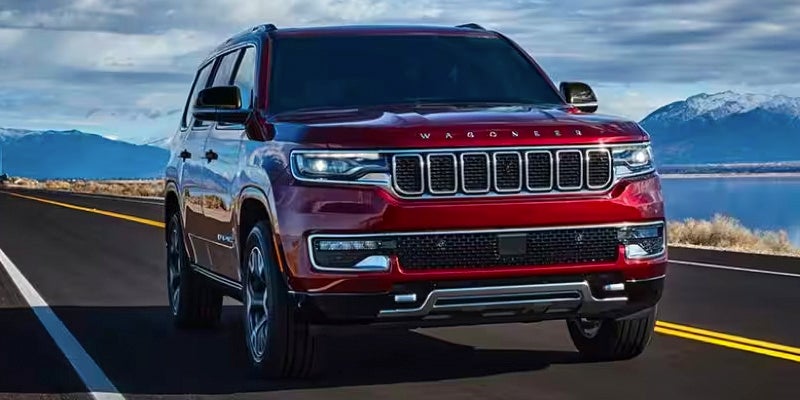
The Jeep Wagoneer is a very comfortable and spacious SUV. The seats are well-padded, with a lot of legroom and headroom. The interior is also very quiet and relaxing, even when driving on the highway.

The Grand Wagoneer comes standard with a Uconnect infotainment system with a 10.1-inch touchscreen, a 19-speaker Harman Kardon audio system, a panoramic sunroof, satellite radio, navigation, Wi-Fi hotspot, Apple CarPlay, Android Auto, and a rear-seat entertainment system.

One of the most noticeable features of the Jeep Wagoneer’s interior is the large central touchscreen. The screen is mounted to the center of the dashboard.

The front seats are heated, and the rear seats are available with a rear seat entertainment system.

How Many Seats in a Jeep Wagoneer

The Jeep Wagoneer has a total of eight seats. It comes standard with three rows of seating. This allows for a total of seven-eight people to ride in the vehicle. This is because the third row of seating is not as spacious as the other two rows.

As a result, it is best suited for children or smaller adults. The second row of seating is much more spacious and comfortable. It offers plenty of leg room for adults.

Safety Features

The Jeep Wagoneer has a host of safety features that make it one of the safest vehicles on the road. It has a strong frame that can protect passengers in the event of a collision.

This SUV has everything from adaptive cruise control to a self-parking function to night vision. Such as:

  • Semi-Autonomous Mode: The Wagoneer’s semi-autonomous mode enables hands-free driving in certain conditions. This can be a great help when you’re stuck in stop-and-go traffic
  • Forward-Collision Warning: It uses its radar to detect potential accidents. If it detects a potential collision, it will warn you so you can take action to avoid it
  • Automated Emergency Braking: The Wagoneer can automatically apply the brakes if it detects a potential collision. This can help you avoid an accident or minimize the severity of one
  • Blind-Spot Monitoring: It uses sensors to detect vehicles in your blind spot. If it detects a vehicle, it will warn you so you can take action to avoid it

Jeep Wagoneer Towing Capacity

The brand new Jeep Wagoneer is a classic-designed SUV with a powerful 6.4-liter V8 engine and a three-speed automatic transmission with rear-wheel drive. The 2022 Jeep Wagoneer has a towing capacity of almost 10,000 pounds. This SUV is also equipped with an adjustable suspension system that can be adjusted to accommodate different loads.

Jeep Wagoneer will have a four-wheel drive system with a limited-slip differential. This system will help to improve traction and stability while towing. The SUV will also have a trailer hitch receiver and a trailer brake controller.

How Much is the New Jeep Wagoneer

The base model of the Jeep Wagoneer is priced at $58,845. The upper trims will start at $87,000.

The Jeep Grand Wagoneer will start at $86,000.

To Wrap It Up

If you’re looking for an SUV that’s packed with power and luxury, the all-new Jeep Wagoneer and Grand Wagoneer are worth a look. But be prepared to open up your wallet, as both models come with a hefty price tag. But it’ll be worth it. So, get one today.